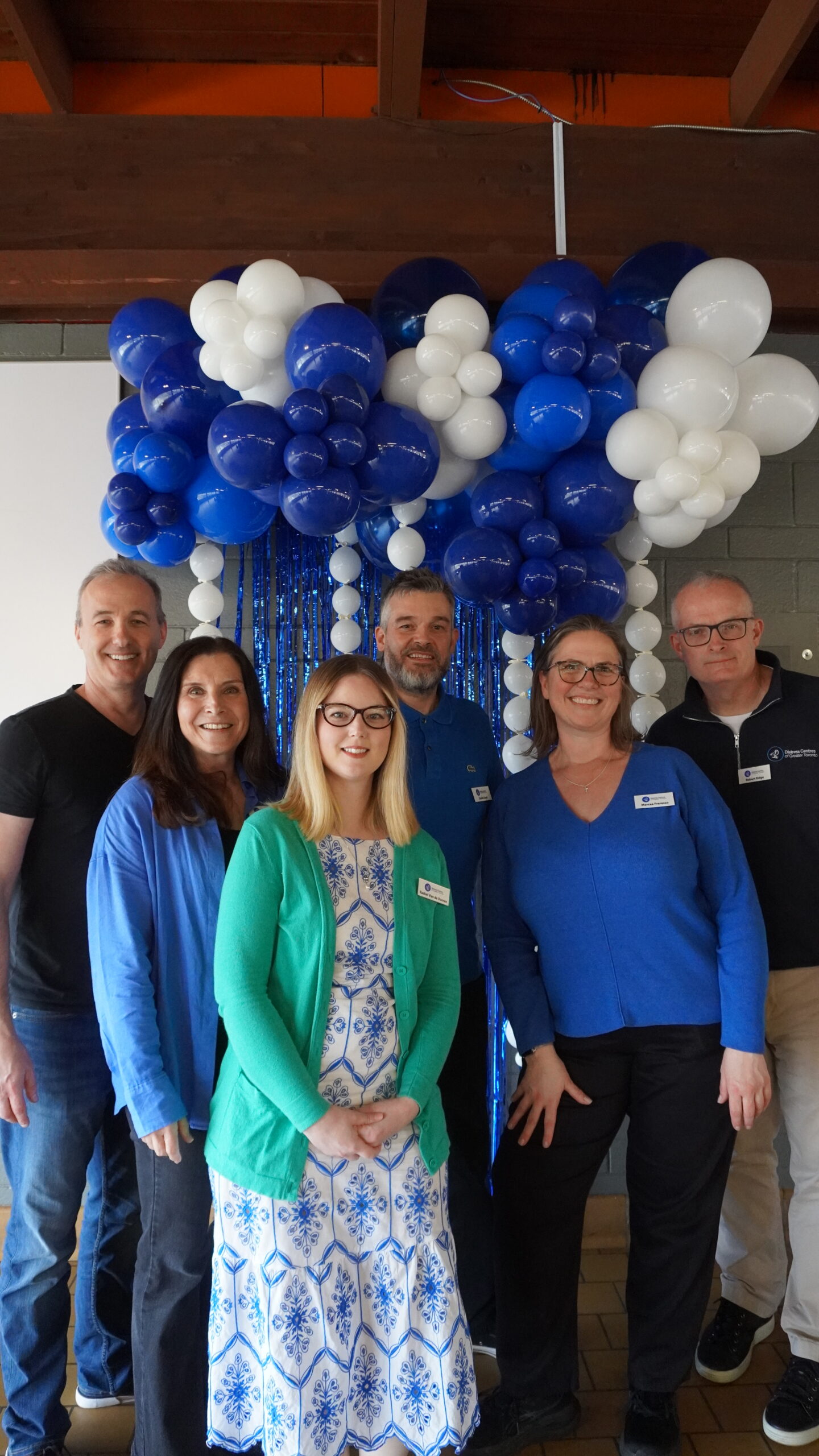
Since our founding in 1967, DCGT has supported tens of thousands of people through some of the most difficult moments of their lives. At the heart of this work are our volunteers—individuals who step forward, time and again, to offer compassion, presence, and hope when it is needed most.
In 2025, we were honoured to be recognized as one of Canada’s Top 100 Charities—the only crisis centre included. This distinction reflects not only our operational integrity and transparency, but also the confidence that donors and partners place in our work and our future.
increase in calls answered on our 408 helpline.
increase in calls answered through the 988 National Suicide Crisis Helpline.
increase in fund development revenue.
In 2025, the Distress Centres of Greater Toronto (DCGT) experienced one of the most impactful years in our history. Through innovation, operational improvements, and an unwavering commitment to community care, we strengthened our ability to meet growing demand – ensuring more individuals in crisis had someone to turn to.
These numbers represent more than data. They reflect real people finding relief, connection, and hope.
increase in Toronto Distress Line activity compared
to 2024
volunteers trained to support individuals in crisis
experienced reduced loneliness and isolation
of callers reported appreciating the support received
of callers are calmer or content at the end of their call
reported decreased distress or anxiety
24/7, barrier-free emotional support to individuals facing:
Our services are grounded in compassionate listening, trauma-informed care, and early intervention, ensuring individuals receive support before situations escalate.
This highlights a critical truth:
most people reach out before crisis – and that early support is lifesaving.
“See, even now, after talking for so long, I wanna thank you. You saved me… my kids need me.”
Moments like this define our work. A single conversation can shift perspective, restore hope, and save a life.
Our upcoming QA program will provide:
This ensures volunteers feel confident, supported, and continuously improving.
These improvements allow us to scale sustainably without compromising care.
Returning Callers
New Callers
Occasional Callers
In 2025, DCGT’s 408-Helpline and Multilingual Distress Lines continued to serve as vital lifelines for individuals experiencing crisis, emotional distress, and social isolation. Through compassionate, non-judgmental support, responders provided emotional support, suicide prevention services and crisis intervention to individuals navigating some of life’s most difficult moments.
DCGT’s Multilingual Distress Lines continued to play
a critical role in reducing barriers to care by providing culturally responsive support in eight languages. Together, these services ensured more individuals could access meaningful support, feel heard, and connect with the resources they need.
Total Helping Interactions
Total Volunteer Hours
408 – Helpline
Total Helping Interactions
Multilingual Distress Lines
Total Volunteer Hours
“The volunteer I spoke with didn’t rush me or try to fix everything. They simply listened and gave me space to share what I was carrying. Sometimes that’s exactly what a person needs.”
In 2025, DCGT continued to play a vital role in suicide prevention through its partnership with Canada’s
9-8-8 Suicide Crisis Helpline. Through free, 24/7 call and text support, trained responders provided immediate assistance to individuals experiencing suicidal thoughts, emotional distress, and crisis.
As demand for suicide prevention services continued to grow, helping interactions increased by 17% year over year. Through compassionate, non-judgmental conversations, responders helped individuals navigate moments of crisis, reduce feelings of isolation, and reconnect with hope, safety, and support.
Contributed to Distress Line
Contributed to 988 services
Helping Interactions
Volunteer Hours
“I was overwhelmed and didn’t know who to talk to. Being able to speak with someone who listened without judgment made a bigger difference than I can put into words. That conversation helped me get through the night.”
In 2025, our Survivor Support Program continued to provide a safe, peer-supported space for individuals navigating the profound impact of suicide and homicide loss. Through compassionate, mentored support, participants were able to identify, explore, and begin processing the complex emotions that follow sudden loss.
Helping Interactions
Unique Program Participants
Volunteer Hours
“In 2007, my 17-year-old daughter took her life. She had been struggling emotionally. I too had suffered from depression – this was the tipping point in my life. When I returned home from the hospital after a two-week stay, I began sessions with two kind and supportive volunteers from the Suicide Support Program (SSP). They made me feel seen, heard, and valued, and helped me rediscover a sense of purpose. I have since been volunteering with SSP for twelve years. I have gone from surviving to thriving, thanks to those two volunteers who were there for me at the worst time in my life.”
In 2025, DCGT’s Outbound Programs—including TeleCheck for Seniors, Touching Base, and the Caller Reassurance Program—continued to provide proactive, ongoing support to individuals experiencing social isolation, mental health challenges, and barriers to connection. Through regular scheduled check-in calls, participants received meaningful support that fostered safety, stability, and connection.
These services provided emotional support, safety monitoring, medication reminders, coping strategies, and referrals to community resources. For many participants, these consistent connections played a vital role in reducing loneliness, promoting wellbeing, and supporting independence.

Helping Interactions
Volunteer Hours
“I’m old, alone; no one else calls me. The kindness I get through the phone is what keeps me going.”
The impact of our work cannot always be measured in numbers, but it is felt in every conversation, every moment of relief, and every life changed.